Feeding Weanling Horses: Tips to Remember
Weanlings should grow steadily and moderately as rapid weight gain could put them at risk for developmental orthopedic diseases. Three experts share their tips for achieving appropriate growth via nutrition.

Weanlings should grow steadily and moderately as rapid weight gain could put them at risk for developmental orthopedic diseases. Three experts share their tips for achieving appropriate growth via nutrition.

Take a look at 30 years of equine dietary developments presented at the 2018 KER Conference, which took place Oct. 29-30 in Lexington, Kentucky.
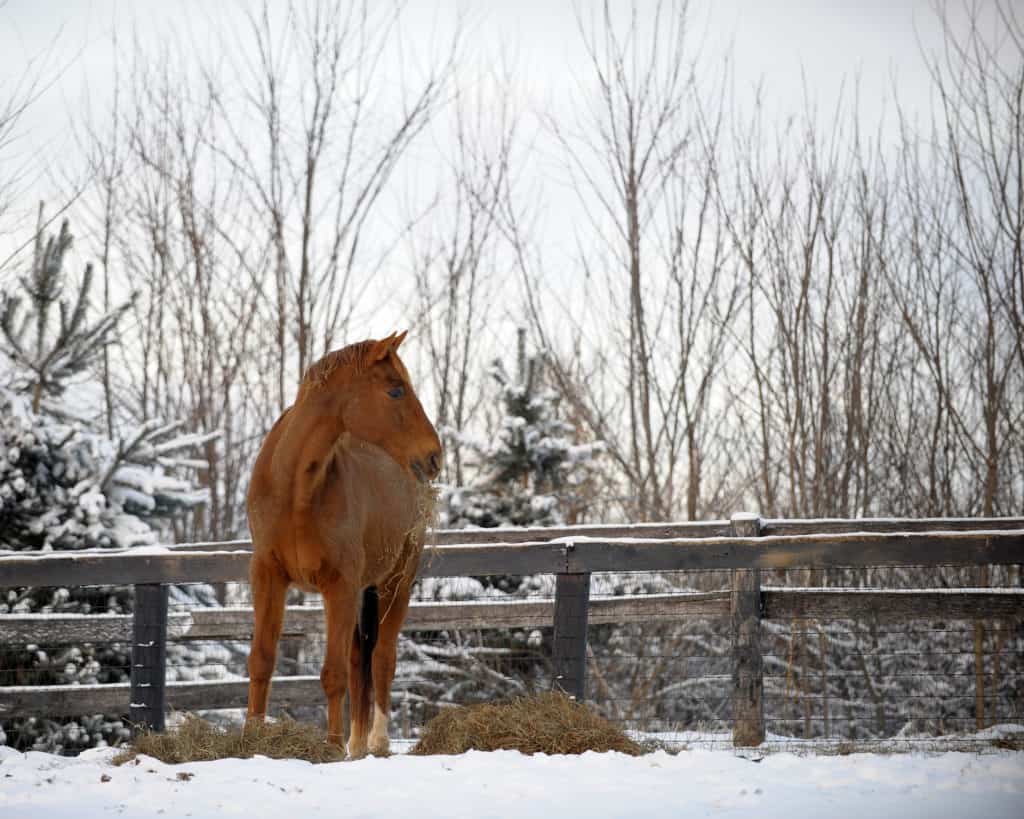
It’s one of the most common questions an owner asks: What should I feed my horse? Equine nutritionists look both to research and their own experience to find an answer, but oftentimes the most appropriate one is, “Well, it depends.” Here are some points they might take into account.

When during gestation should a pregnant mare’s diet change? An equine nutritionist weighs in.
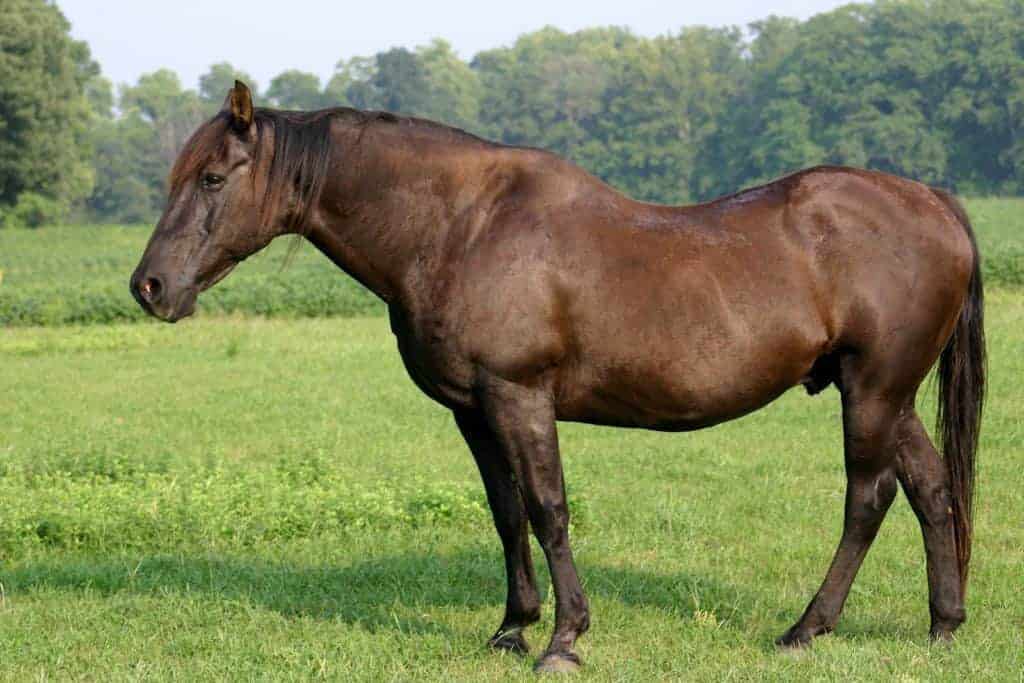
While researchers have discovered much about EMS over the years, there’s still more to learn not only about the link between obesity, insulin, and laminitis but also how to manage animals to help prevent them from becoming obese and/or developing insulin dysregulation.

In the past 30 years, researchers have made great strides in understanding gastric ulcers. Those findings and ones yet to be made can help improve horse health and welfare now and into the future.

Dr. Wayne McIlwraith describes how joint treatments for horses have changed over the years and what therapeutic options might be on the horizon.

Dr. Stephanie Valberg explains how five major advancements in veterinary technology have helped her and others learn more about and discover new equine muscle disorders.
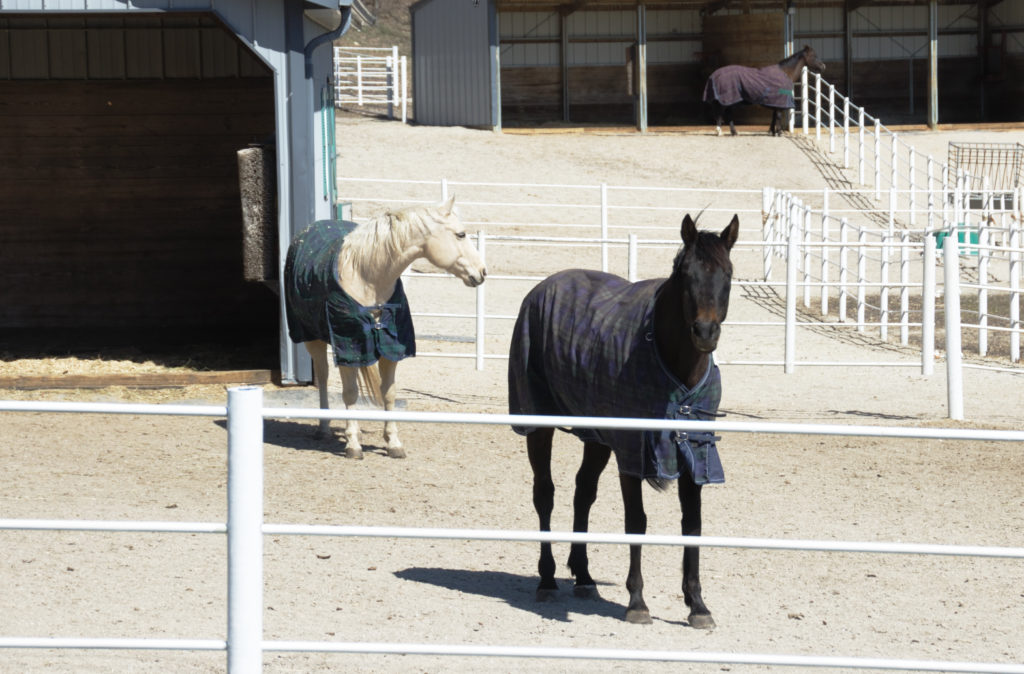
Vitamin E deficiencies can cause neurologic and other health problems in horses. As such, at-risk horses—from breeding stock and foals to equine athletes and pasture pets—might benefit from supplementation.

Dr. Joe Pagan founded Kentucky Equine Research in 1988 and, in the three decades following, he and his staff have witnessed the evolution of equine nutrition and research trends.

Read some of the top tweets and take-home messages on equine health and nutrition from the 2018 Kentucky Equine Research Conference.